Phone:+86-13952799285
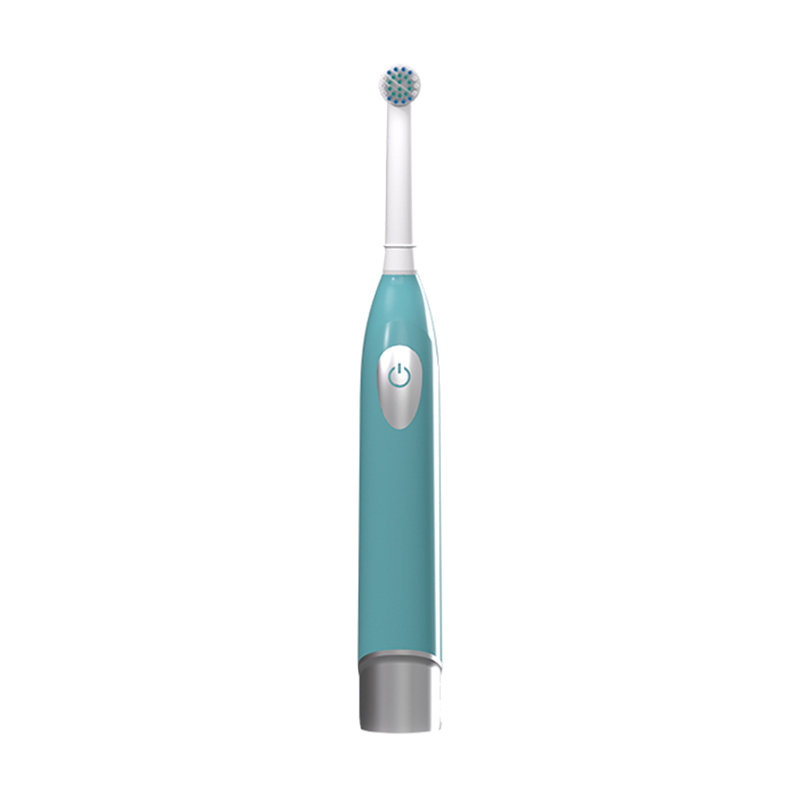
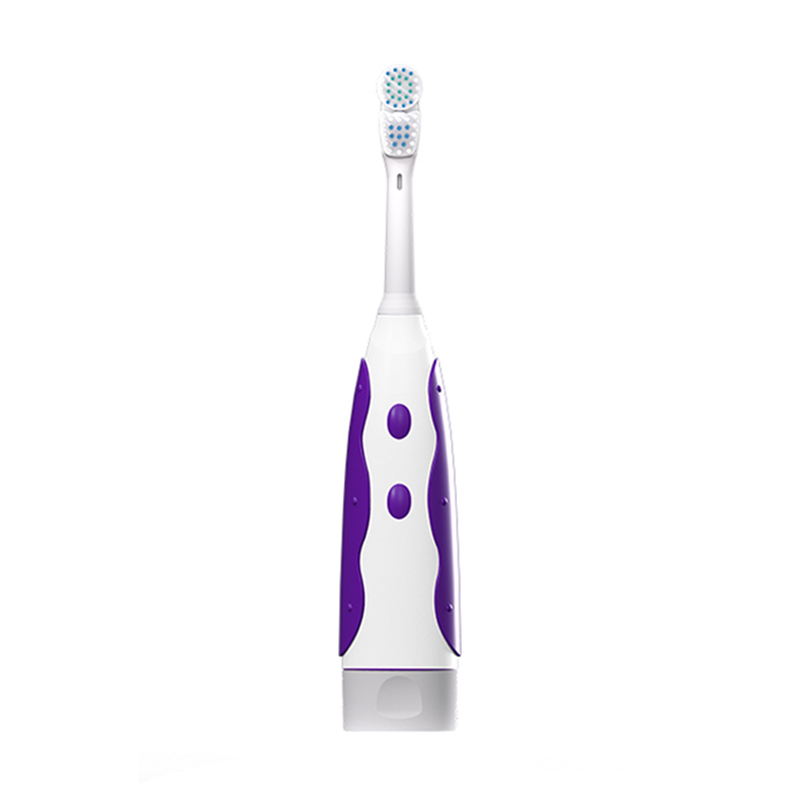
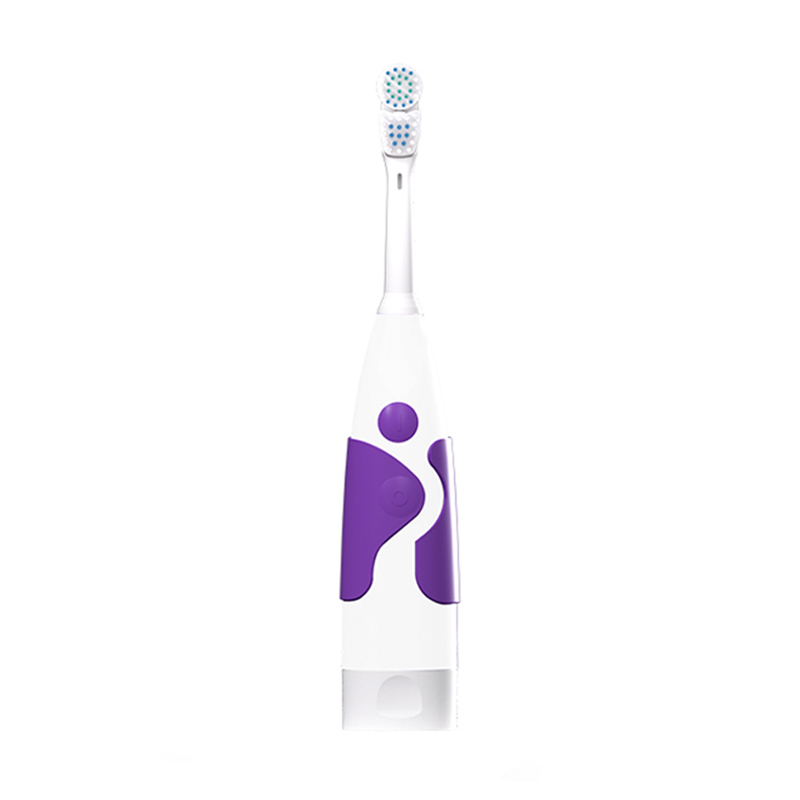
A Sonic ladattava sähköharja tarjoaa kuusi pääetua manuaalisiin ja tavallisiin sähköhammasharjoihin verrattuna: dramaattisesti korkeampi puhdistuksen tärinätaajuus, dynaaminen nestevaikutus, joka puhdistaa suoran harjakosketuksen ulkopuolella, ylivoimainen plakin ja ientulehduksen vähentäminen kliinisen todisteen tukemana, useita harjaustiloja erilaisiin suunhoitotarpeisiin, sisäänrakennettu älykäs ajastin, joka varmistaa hammaslääkärin suositteleman harjauksen keston, sekä sytytys- ja latautuva akku, joka eliminoi kustannuksiltaan edullisen akun. paristot. Vuoden 2017 meta-analyysi 18 riippumattomasta tutkimuksesta vahvisti tämän äänikäyttöiset hammasharjat vähentävät plakkia ja ientulehdusta huomattavasti tehokkaammin kuin manuaaliset hammasharjat kolmen kuukauden päivittäisen käytön jälkeen (Lähde: Better and Better, Sonic vs Electric Toothbrushes: 4 Key Differences, viitaten vuoden 2017 meta-analyysiin). Kaikille, jotka haluavat siirtyä manuaalista harjaamista pidemmälle, nämä yhdistetyt edut tekevät sonic-ladattavasta sähköharjasta yhden todistetusti todistetuimmista päivityksistä päivittäisessä suuhuollossa.
Kuinka Sonic-tekniikka toimii ja miksi taajuudella on väliä
Termi ääni viittaa värähtelytaajuuteen kuuluvalla äänialueella. Sonic sähköhammasharja tuottaa harjasten liikkeitä taajuuksilla, jotka vaihtelevat tyypillisesti 30 000 - 48 000 tärinää minuutissa , ylittää huomattavasti sekä tavalliset värähtelevät-pyörivät sähköhammasharjat että kaikki manuaaliset harjaustekniikat. Y-Brush kuvailee mekanismia selkeästi: sonic-hammasharjat toimivat korkeataajuisilla värähtelyillä, jotka synnyttävät dynaamista nestedynamiikkaa, mikä helpottaa tunkeutumista kaikkein vaikeimpiin saavutettaviin kolkoihin ja koloihin, mukaan lukien ienrajaa pitkin (Lähde: Y-Brush, Sonic Toothbrush Effectiveness: Unveiling Its Positiivinen terveysvaikutus).
Tämä värähtelytaajuus luo kaksi puhdistustoimintoa samanaikaisesti. Harjaskärjet poistavat plakin suoran mekaanisen kosketuksen kautta, kuten mikä tahansa hammasharja tekee, mutta korkeataajuiset värähtelyt myös ravistelevat harjasten ympärillä olevaa nestemäistä sylkeä, vettä ja hammastahnaa puhdistavaksi toiminnaksi, joka ulottuu useita millimetrejä harjasten fyysisen kosketuksen ulkopuolelle. PMC:n tarkastamat in vitro -tutkimukset ovat johdonmukaisesti osoittaneet, että kosketukseton biofilmin poistaminen äänihammasharjoilla on mahdollista laboratorio-olosuhteissa, jolloin vaikutuskoot vaihtelevat 38-99 prosenttia julkaistuissa kokeissa (lähde: PMC, Efficacy of a Sonic Toothbrush on Plaque Removal, 2021). Tämä nesteen dynaaminen puhdistustoiminto on ainutlaatuinen äänitekniikalle ominaista, eikä sitä toisteta vakiovärähtelevillä-pyörittävillä malleilla.
Tärinätaajuuden vertailu
| Harjan tyyppi | Tyypilliset vedot minuutissa | Nestetoiminta |
| Manuaalinen hammasharja | 150-300 | Ei mitään |
| Vakiovärähtelevä sähkö | 2 500 - 7 500 | Minimaalinen |
| Sonic sähköinen | 30 000 - 48 000 | Huomattava kosketukseton puhdistus |
Kliinisesti dokumentoitu plakin ja ientulehduksen vähentäminen
Tärkein kysymys minkä tahansa potentiaalisen ostajan tulisi kysyä sähköisestä sähköharjasta on, tukeeko sen väitettyä puhdistusetua todellista kliinistä näyttöä pelkän markkinointikielen sijaan. Vertaisarvioidun tutkimuksen vastaus on selvästi kyllä, ja johdonmukaiset edut on dokumentoitu useissa tutkimussuunnitelmissa.
31,9 prosentin vs. 18,1 prosentin ientulehdus tulos
Journal of Clinical Dentistryssä julkaistussa satunnaistetussa kontrolloidussa tutkimuksessa seurattiin 66 aikuista, joilla oli kohtalainen parodontiitti kuuden kuukauden ajan, ja siinä verrattiin sähköhammasharjaryhmää tavalliseen sähköhammasharjaryhmään. Sonic-ryhmä vähensi ientulehdusta 31,9 prosenttia verrattuna vain 18,1 prosenttiin tavallisessa sähköryhmässä. Sonic-ryhmä päätti myös kokeen huomattavasti vähemmällä hampaidenvälisellä plakilla, joka kerääntyy hampaiden väliin, joihin minkä tahansa harjan harjakset eivät pääse jatkuvasti (Lähde: Better and Better, viitaten Journal of Clinical Dentistry -kliiniseen tutkimukseen).
Vuoden 2017 meta-analyysi 18 tutkimuksesta
Vuonna 2017 tehdyssä systemaattisessa katsauksessa, jossa tarkasteltiin 18 riippumatonta tutkimusta, havaittiin, että äänikäyttöiset hammasharjat, joissa on korkeataajuinen, korkean amplitudin tärinä, osoittivat huomattavasti paremman kyvyn vähentää plakin ja ientulehduspisteitä verrattuna manuaalisiin hammasharjoihin useissa tutkimusryhmissä (lähde: PMC, Efficacy of a Sonic Plaque0 Remo21, on2 Plaquemo21 2017 systemaattinen katsaus). Useiden riippumattomien tutkimusten meta-analyyseillä on huomattavasti enemmän todisteita kuin millään yksittäisellä tutkimuksella, ja tämä 18 erillisen tietojoukon tulos on vahva syy äänitekniikan plakin vähentämiseen päivittäisessä käytössä.
Mitä todisteet tarkoittavat käytännössä
Vähentynyt plakin kertyminen ajan myötä johtaa suoraan pienempään hampaiden reikiintymiseen, ientulehdukseen ja iensairauksien etenemiseen. Y-Brush huomauttaa, että American Dental Association tunnustaa sonic-tekniikan arvokkaaksi työkaluksi hammasplakkia ja iensairauksia vastaan, mikä kuvastaa kliinisen todisteen kumulatiivista painoarvoa (lähde: Y-Brush, Sonic Toothbrush Effectiveness). Henkilöille, jotka jo hoitavat iensairauksia, tämä dokumentoidun kliinisen edun taso edustaa merkittävää käytännön hyötyä kuin pelkkä puhtauden tunne harjauksen jälkeen.
Ladattavan akun etu
Sonic-ladattavan sähköharjan ladattava elementti on merkittävämpi kuin miltä se aluksi näyttää. Useimmat nykyaikaiset sonic-sähköharjat käyttävät litiumioniakkutekniikkaa, jonka käyttöajat ylittävät huomattavasti kertakäyttöisten akkumallien kestävyyden, ja tekee sen pienemmillä kokonaiskustannuksilla tuotteen elinkaaren aikana.
Pitkä käyttöaika latausten välillä
Nykyiset ladattavat sonic-hammasharjat tarjoavat rutiininomaisesti akun käyttöiän 30–180 päivää täydellä latauksella normaaleissa kahdesti päivässä kahden minuutin harjausolosuhteissa. Sonic-mallit 1300 mAh:n litiumakuilla saavuttavat käyttöajan jopa 100 päivää täydellä latauksella , mikä tarkoittaa, että viikkoja tai kuukausia matkustavien käyttäjien ei tarvitse kantaa mukanaan latauskaapelia (Lähde: Newegg, Sonic Electric Toothbrush with 1300mAh Battery). Jotkut markkinoilla olevat mallit pidentävät tätä jopa 120, 180 tai 330 päivään yhdellä latauksella, ja käyttöaika heijastaa suoraan akun kapasiteettia ja moottorin tehokkuutta.
Helppokäyttöinen nopea lataus
Monet nykyiset ladattavat ääniharjat tukevat nopeaa latausta USB-C- tai tavallisten USB-liitäntöjen kautta, ja jotkut mallit latautuvat täyteen vain kahdessa neljässä tunnissa. USB-C-latausyhteensopivuus tarkoittaa, että sama kaapeli, jota käytetään älypuhelimissa ja tableteissa, lataa hammasharjan, mikä poistaa oman lataustelineen tai ylimääräisen laturin tarpeen matkalaukuissa. Tämä käytännöllinen mukavuus poistaa yhden ladattavien sähköhammasharjojen historiallisista kitkapisteistä verrattuna kertakäyttöisiin akkuvaihtoehtoihin.
Kustannukset ja ympäristöhyöty ajan mittaan
Ladattava akku eliminoi kertakäyttöisten AAA- tai AA-paristojen jatkuvat kustannukset, jotka kertyvät nopeasti kahdesti päivässä käytettävään laitteeseen. Ladattava malli, joka kestää vähintään kolme vuotta säännöllisellä latauksella, maksaa paljon vähemmän vuodessa kulutustarvikkeissa kuin vastaava akku, mutta samalla vältetään ei-ladattavien kennojen säännöllisen hävittämisen aiheuttamat ympäristövaikutukset.
Useita harjaustiloja erilaisiin suunhoitotarpeisiin
Yksi sonic-ladattavan sähköharjan käytännöllisimmistä ominaisuuksista on useiden harjaustilojen saatavuus, joiden avulla käyttäjät voivat mukauttaa harjan voimakkuuden ja liikekuvion nykyisen suunhoidon prioriteetin mukaan.
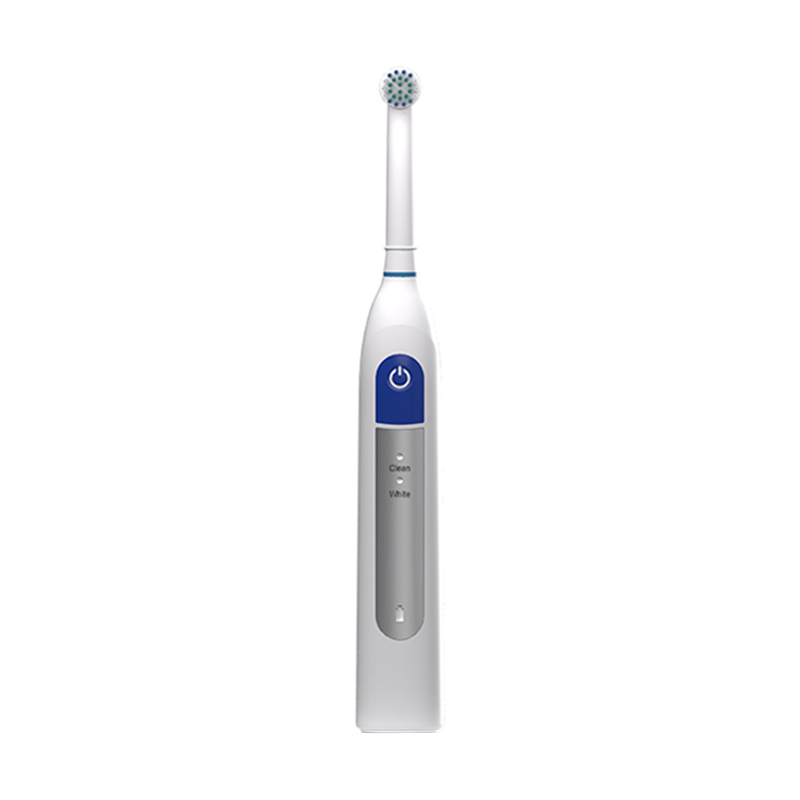
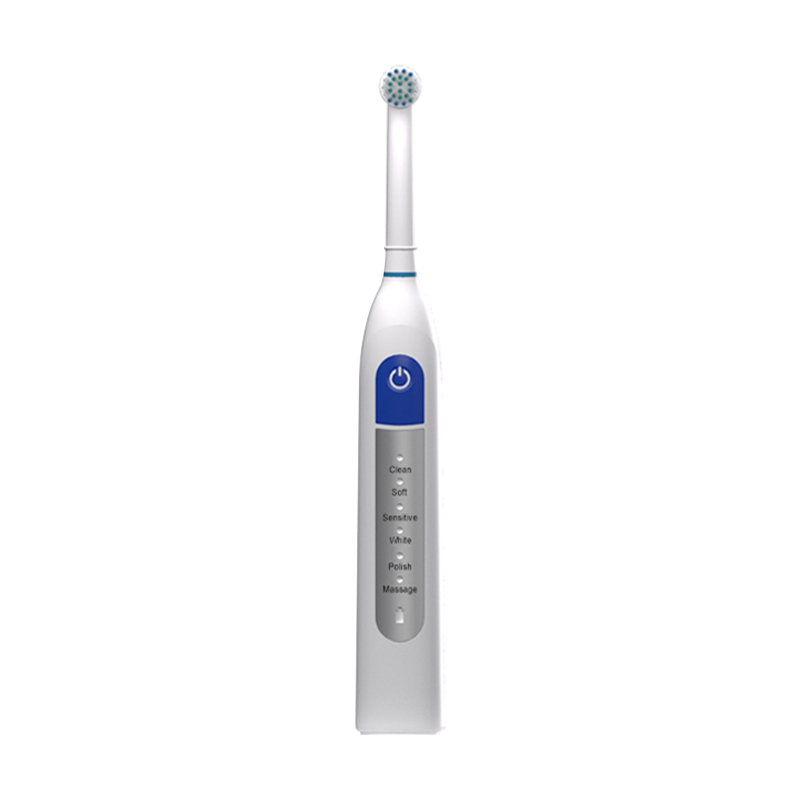
Yleisimmin tarjottu tilavalikoima Sonic-ladattavien kategoriassa sisältää viisi erikoistilaa, jotka Walmartin tuotespesifikaatioissa kuvataan seuraavasti: Soft, Clean, Polish, Gum Care ja White. Jokainen kohdistaa erilaisia suunhoitotuloksia (lähde: Walmart, Electric Toothbrush 40 000 VPM Rechargeable). Tarkemmin sanottuna nämä tilat toimivat tyypillisesti seuraavasti:
- Puhdistustila: tavallinen päivittäinen harjaus täydellä äänitaajuudella tehokkaan plakin poistamiseksi kaikilta hampaiden pinnoilta
- Sensitive tai Soft -tila: alennettu tärinätaajuus ja pienempi paine käyttäjille, joilla on herkkyys, ikenet vetäytyvät tai äskettäin työskennellyt hammaslääkärit
- Valkaisu- tai kiillotustila: parannettu tärinän amplitudi keskittyy pinnan tahrojen häiriöihin käyttäjille, jotka kohdistavat näkyvään valkaisuun
- Ienienhoito- tai hierontatila: hellävarainen sykkivä toiminta, joka stimuloi ienkudoksen verenkiertoa, tukee ikenien terveyttä plakin poiston ohella
- Syväpuhdistus tai intensiivinen tila: maksimitaajuus ja iskun amplitudi säännöllisissä syväpuhdistusistunnoissa
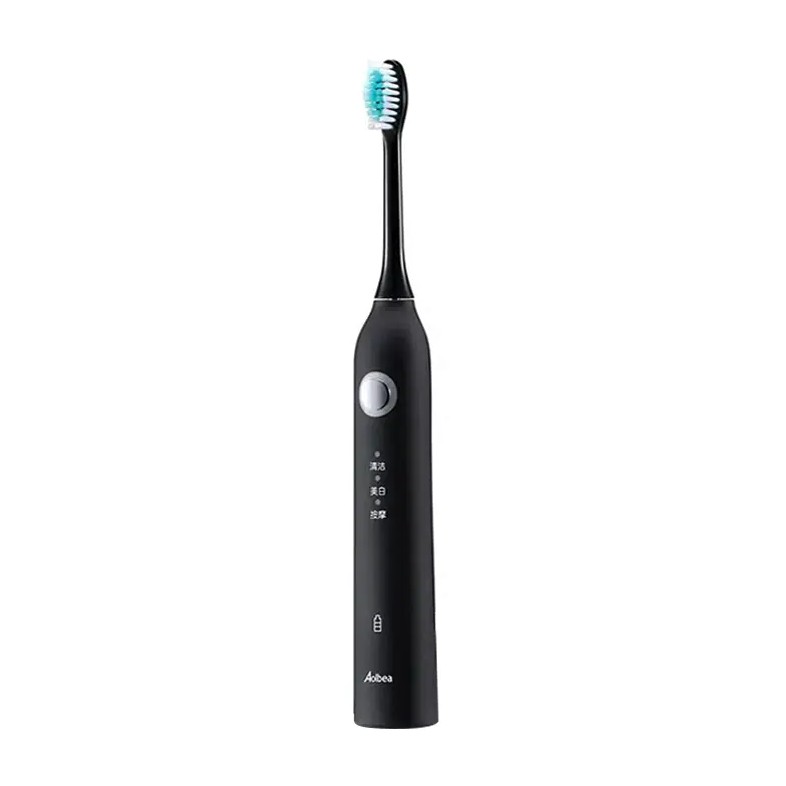
Tämän tilan joustavuuden ansiosta eri perheenjäsenet, joilla on erilaiset suun terveydenhuollon prioriteetit, tai sama käyttäjä voi käyttää yhtä ladattavaa sonic-harjaa eri yhteyksissä, kuten hellävaraisessa tilassa välittömästi hammashoidon jälkeen ja tavallisessa puhdistustilassa tavallisina päivinä. Aolbea Sonic ladattava sähköharja käyttää tätä samaa monimuotoista lähestymistapaa tarjotakseen mukautuvaa puhdistustehoa, joka on räätälöity kunkin käyttäjän erityistarpeisiin.
Älykäs ajastin ja kvadranttimuistutus johdonmukaiseen tekniikkaan
Yksi sonic-ladattavan sähköharjan aliarvostetuimmista eduista on sisäänrakennettu älykäs ajastin. Hammaslääkärit suosittelevat kahden kokonaisen minuutin harjaamista, mutta tutkimukset osoittavat johdonmukaisesti, että useimmat manuaaliset harjat aliarvioivat huomattavasti todellisen harjausaikansa, sillä havaintotutkimuksissa manuaalisen harjauksen keskimääräinen kesto on yleensä 45–70 sekuntia suositellun 120 sekunnin sijaan.
Älykäs ajastin sähköisessä ääniharjassa ratkaisee tämän suorittamalla näkyvän tai haptisen lähtölaskennan koko kahden minuutin jaksolle. Useimmat mallit menevät pidemmälle jakamalla kahden minuutin jakson neljään 30 sekunnin jaksoon ja pitämällä lyhyen tauon tai muuttamalla intensiteettiä segmenttien välillä, jolloin käyttäjä siirtyy seuraavaan suun neljännekseen. Walmartin tuotespesifikaatioissa tämä kuvataan älykkääksi ajastimeksi, joka kehottaa käyttäjää vaihtamaan seuraavalle suualueelle 30 sekunnin välein varmistaen perusteellisen suun puhdistuksen (Lähde: Walmart, Electric Toothbrush 40 000 VPM Ladattava).
Tämä kvadrantin kehotus puuttuu yhteen yleisimmistä epätasaisen suuhygienian syistä: käyttäjät, jotka keskittyvät pidempään helposti ulottuviin etuhampaisiin ja viettävät vähemmän aikaa poskihampaan ja suun takaosan kielipinnoilla. Automatisoimalla ajan jakamisen kvadranttien kesken ajastin parantaa puhdistuksen johdonmukaisuutta koko suussa eikä vain niiden alueiden, joita käyttäjä tietoisesti hoitaa.
Vedenpitävä muotoilu ja matkustussoveltuvuus
Useimmilla nykyisillä sonic-ladattavilla sähköharjoilla on IPX7- tai IPX8-vedenpitävyysluokitukset, jotka todistavat, että laite kestää upotuksen veteen 1 metrin syvyydessä 30 minuutiksi tai syvemmälle, jos kyseessä on IPX8-luokiteltu malli. Tämä vedeneristys palvelee kahta käytännöllistä tehtävää: se tekee harjan varren huuhtelemisesta juoksevan veden alla täysin turvallista, ja se poistaa huolen kylpyhuoneen kosteudesta tai roiskeista, jotka vaikuttavat sisäiseen elektroniikkaan ajan myötä.
IPX7-vedeneristys tekee näistä harjoista erityisesti turvallisia suihkukäyttöön, jota jotkut käyttäjät pitävät parempana käyttömukavuuden vuoksi, ja täysin turvallisia sekä kahvan että harjaspään perusteelliseen huuhteluun ja puhdistamiseen jokaisen käytön jälkeen. Walmartin 40 000 VPM:n mallin tekniset tiedot vahvistavat IPX7-sertifioinnin tämän luokan harjojen vakioominaisuutena ja huomauttavat, että älykäs ajastin ja vedenpitävä muotoilu tekevät tuotteesta yhtä sopivan koti- ja matkakäyttöön (Lähde: Walmart, Electric Toothbrush 40 000 VPM Ladattava).
Erityisesti matkoilla pitkäkestoisen ladattavan litiumakun, IPX7-vedenpitävyyden, USB-C-latausyhteensopivuuden ja useimpien mallien mukana toimitettujen pienikokoisten kantolaukkujen yhdistelmä tarkoittaa, että sonic-ladattava harja on matkoille aidosti pienempi kitka kuin kertakäyttöiset akut, jotka vaativat akun valvontaa ja vaihtoa itse harjan lisäksi.
Soveltuu käyttäjille, joilla on herkät hampaat, henkselit ja implantit
Yleinen huolenaihe korkeataajuisesta ääniharjauksesta on, voiko tärinän voimakkuus olla liian aggressiivinen käyttäjille, joilla on herkät hampaat, toimenpiteen jälkeinen ienkudos, oikomislaitteet tai hammasimplantteja. Nykyisten sonic-ladattavien harjojen todisteet ja suunnitteluominaisuudet vastaavat suoraan tähän ongelmaan.
Monimuotoisten ääniharjojen herkkä tai pehmeä tila vähentää taajuutta ja painetta erityisesti käyttäjille, joiden ikenet tai emali vaativat hellävaraista käsittelyä. Consumer Health Digest kuvailee sonic-harjaa huolellisesti muotoilluksi hellävaraiseksi mutta tehokkaaksi, ja huomauttaa, että se sopii niille, joilla on herkät hampaat, henkselit, implantit tai muu hammashoito. Eri puhdistustilojen ansiosta käyttäjä voi valita itselleen sopivan tehon (Lähde: Consumer Health Digest, GumCare Sonic Tooth Review). Sonic-tekniikalle tyypillinen nestedynaaminen puhdistustoiminto on erityisen tärkeä oikomishoidon käyttäjille, koska sekoittunut neste voi puhdistaa kiinnikkeiden ja johtojen ympäriltä, joita harjakset eivät voi koskettaa suoraan.
Dupont-nylonharjasten kärjet, jotka on määritelty monissa Sonic-harjamalleissa, on valittu erityisesti niiden puhdistustehokkuuden ja vähäisen hankauksen yhdistelmän perusteella emalia ja ienkudosta vastaan. U-muotoinen harjaskärjen muotoilu, joka sopii kunkin hampaan pinnan muotoihin, vähentää paikallista painetta entisestään verrattuna tasaisesti leikattuihin tai pyöristettyihin harjaskuvioihin (Lähde: Walmart, Electric Toothbrush 40 000 VPM Ladattava).
Edut Yhteenveto: Sonic Ladattava vs. Manuaalinen ja Vakio sähkö
| Ominaisuus | Manuaalinen harja | Standard Electric | Sonic ladattava |
| Iskuja minuutissa | 150-300 | Jopa 7500 | 30 000 - 48 000 |
| Hampaiden välisen nesteen puhdistus | Ei mitään | Minimaalinen | Kyllä, dokumentoitu vaikutus |
| 2 minuutin älykäs ajastin | Ei | Jotkut mallit | Vakioominaisuus |
| Useita harjaustiloja | Ei | Rajoitettu | 5 tilaa tyypillisesti |
| Ladattava akku | Ei | Jotkut mallit | Vakio, 30-180 päivää |
| IPX7 vedenpitävä | Ei käytössä | Vaihtelee | Vakio useimmissa malleissa |
| Kliininen plakin vähentäminen vs. manuaalinen | Perustaso | Kohtalainen parannus | Huomattavasti suurempi vähennys (2017 meta-analyysi 18 tutkimuksesta) |